


Why Most Children's Diets Lack Good Food
January 01, 2018
 University Hospitals Rainbow Babies & Children'sExperts in Children's Health
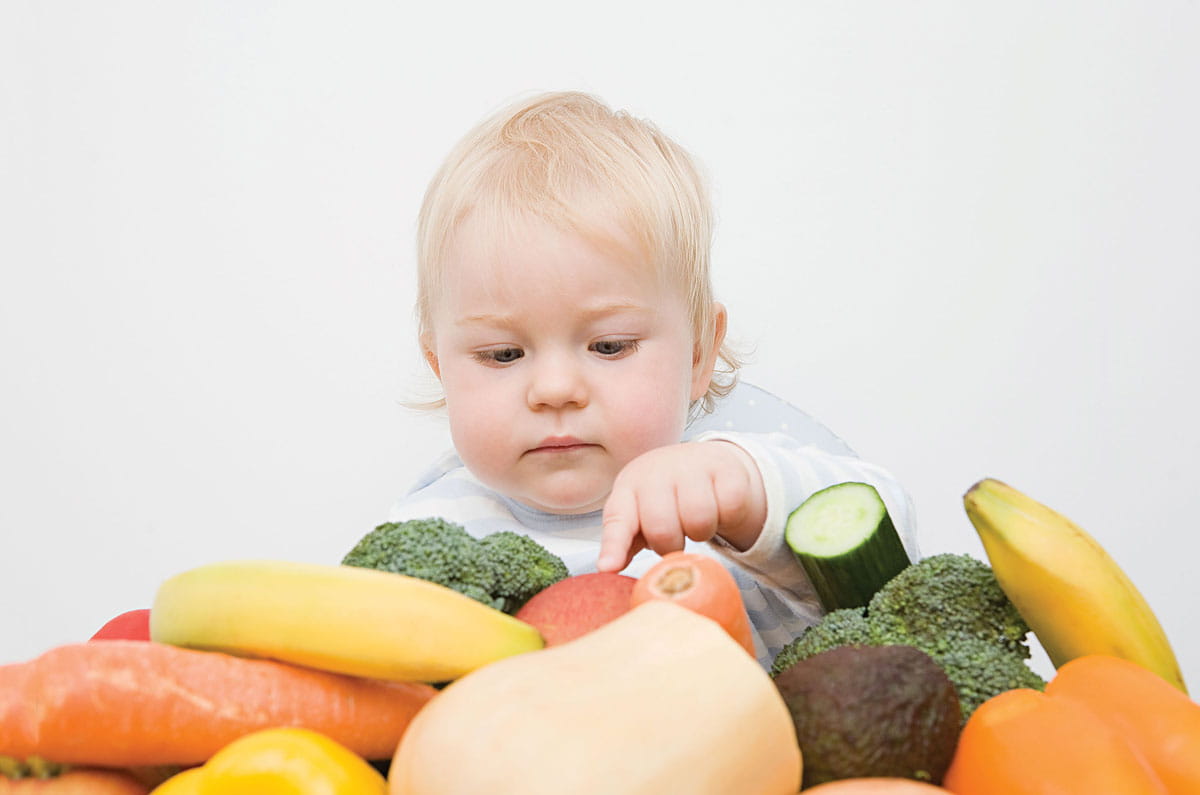
Children who eat well from the start of their lives are more likely to continue eating well as they grow.
But a study in the journal Pediatrics says that many young children aren’t being exposed to the foods that will set them on a healthy path, especially fruits and vegetables.
Lack of Breast Milk, Fruits, Vegetables
The American Academy of Pediatrics recommends that infants be breastfed until age 6 months. After that, veggies or fruit should be a part of every meal and snack.
When researchers looked at results from the National Health and Nutrition Examination Survey, however, they found that only a little more than one-third of babies up to age 5 months received breast milk.
Nearly one out of five kids ages 6 to 23 months ate no fruits or vegetables at all during the survey period. Those who did eat veggies were three times more likely to have french fries rather than healthier options, such as broccoli or green beans.
Keep Trying Lots of Foods
Don’t get discouraged if your children don’t immediately go for a new food, says clinical dietitian Janet Kramer, MPH, RDN, LD.
"It can take 10 to 20 tries before children accept something new,” she says.
To help start your baby off right, Ms. Kramer has this advice:
- Introduce solid foods after age 4 months if your baby shows signs of readiness, especially if he or she is drinking more than 40 ounces of formula. “Signs a child is ready include holding the head steady and sitting up with support, putting fingers and toys in the mouth, closing lips around a spoon, opening mouth when food is offered, and turning away when they don't want it,” she says.
- Expose your baby to a variety of foods, especially fruits and vegetables. You can introduce strained meats at around age 6 months. “At around 6 months, it's also good to expose babies to peanuts to prevent allergies," Ms. Kramer says. Try mixing a teaspoon of smooth peanut butter into oatmeal or mashed bananas, or making homemade peanut butter teething biscuits.”
- Introduce regular snacks – two to three per day - around age 9 months.
- Stick with breast milk or formula until a child is age 1.
Related Links
UH Rainbow Babies & Children’s Hospital’s dedicated team of more than 1,300 pediatric specialists uses the most advanced treatments and latest innovations to deliver the complete range of pediatric specialty services for 750,000 patient encounters each year.