



Dedicated Program Focuses on Heart & Vascular Disease in Women
The Women’s Cardiovascular Center at University Hospitals Harrington Heart & Vascular Institute provides a whole team of specialists to care for women diagnosed with, or at risk for, any heart or vascular condition. Nationally recognized for providing the best outcomes, our experts have advanced training and extensive experience in customizing treatment to meet the very specific needs of women.

Make an Appointment
Call 216-844-3800
Find a Women’s Heart Health SpecialistProviding Customized Treatment Plans
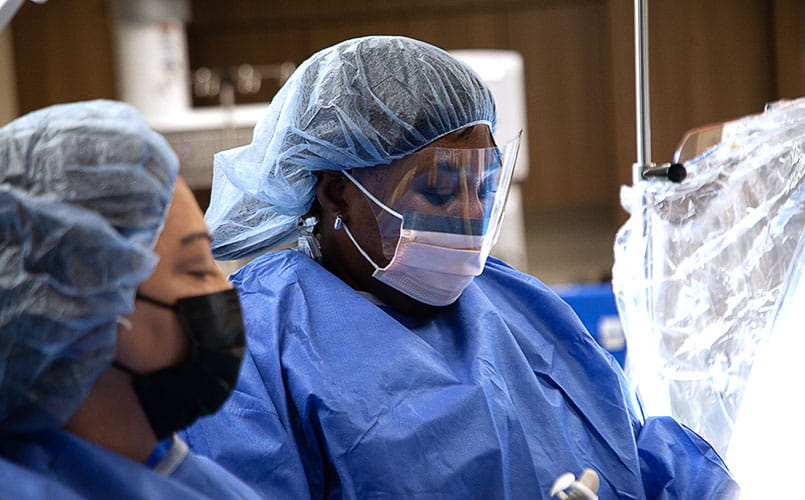
When creating a treatment plan, experts within the Women’s Cardiovascular Center consider the unique ways in which heart and vascular disease manifests in women of all ages, as well as potentially complicating factors such as pregnancy, chronic inflammation, breast cancer and menopause. Our highly specialized expertise supports an early, accurate diagnosis and effective treatment for the best possible results.
Personalized treatment plans are developed for each patient based on their age, risk factors, symptoms and test results. Treatment strategies may include lifestyle changes, medication(s), noninvasive interventions and/or surgery. Our team is experienced in managing every aspect of heart and vascular disease in women, offering advanced diagnostic capabilities; traditional and complex interventional and surgical options; and a full spectrum of support services including fitness training, tobacco cessation and cardiopulmonary rehabilitation.
Women and Cardiovascular Disease: What You Need to Know
According to statistics from the American Heart Association:
Nearly half (45%) of women are living with some form of heart or vascular disease.

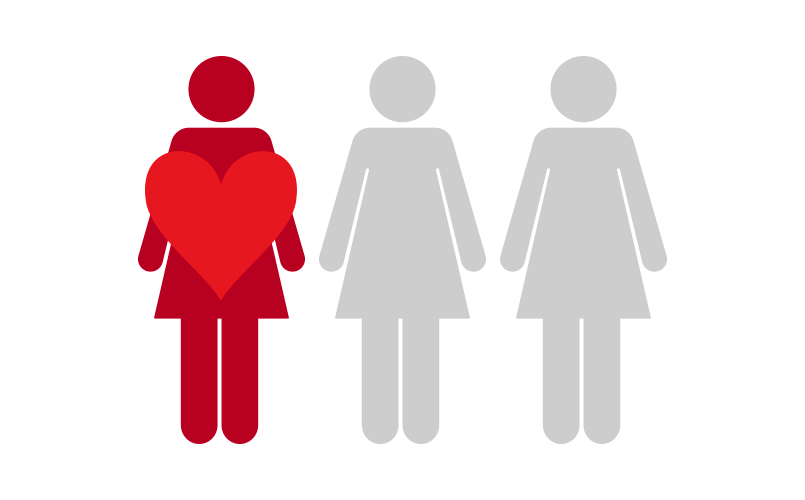
Cardiovascular disease is the number one cause of death in women in the United States, causing 1 in 3 deaths among women each year – more than all cancers combined.

One in 5 women will have a stroke. Stroke is the number 3 cause of death in women.

Less than half of women recognize that cardiovascular disease is their greatest health threat.
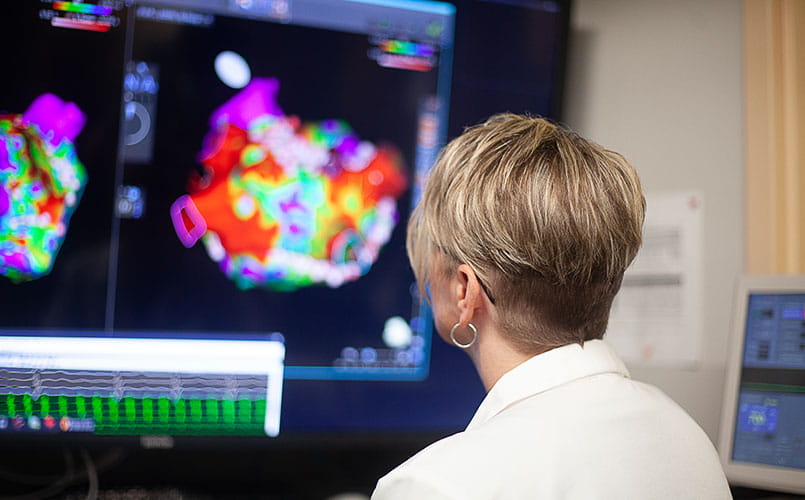
Cardiovascular Disease Affects Women Differently
While some risk factors are common to both men and women, a number of issues have been identified that make heart and vascular disease especially dangerous to women. These include:
Different Symptoms
Many heart or vascular conditions present differently in women than men. Women may experience symptoms that seem unrelated to heart disease, and are often dismissed as being related to stress, anxiety or age. For example, while men having a heart attack more typically describe experiencing chest pain, women having a heart attack often report:
- Pressure or squeezing in the chest
- Pain in the jaw, neck, shoulders or back
- Unusual fatigue
- Sudden sweating (cold or clammy feeling)
- Shortness of breath (with or without chest discomfort)
- Dizziness
- Nausea, indigestion or abdominal pain
- Numbness in hands or fingers
Biological Differences
Biologically, women generally have smaller hearts and blood vessels, with thinner heart chamber walls and finer arteries, so heart or vascular disease may develop differently.
Reproductive Risk Factors
Health conditions specific to women can increase the risk for heart or vascular disease. These include:
- Early or late age at first menstrual period
- Polycystic ovary syndrome (PCOS)
- Pregnancy-related diabetes, hypertension or preeclampsia
- Pregnancy-associated cardiomyopathy and peripartum cardiomyopathy
- Pregnancy-associated spontaneous coronary artery dissection (SCAD)
- Preterm delivery
- Premature menopause (before the age of 45)
- Pregnancy, some forms of birth control, and oral hormone therapy for menopause management
Chronic Inflammation
Women have a greater lifetime risk for developing heart or vascular disease if they have a condition that produces slow, long-term inflammation in the body. These include:
- Lupus
- Psoriasis
- Rheumatoid arthritis
- Ulcerative colitis or Crohn’s disease
- Takayasu or giant cell arteritis
Cancer Treatments
While chemotherapy or radiation can support a cure for Hodgkin’s lymphoma or breast cancer, sometimes these treatments may lead to heart or vascular dysfunction in women, either during the course of treatment or years later.
Delays in Getting Care
Women often experience delays in care, putting the needs of others ahead of their own or by seeing a provider who lacks expertise in recognizing the subtle symptoms of heart and vascular disease that are unique to women.
Proud Local Presenting Sponsor of Go Red for Women®
The American Heart Association’s Go Red For Women campaign is a special year-round movement that educates women about the risks of cardiovascular disease and seeks to empower women to take charge of their cardiovascular health.
Recognizing the need to help the AHA with this cause, University Hospitals Harrington Heart & Vascular Institute joined the Go Red For Women campaign as the local presenting sponsor in 2006. With more than 20 years in this leading role, our combined efforts have resulted in numerous community outreach programs designed to educate women about the signs and symptoms of heart disease, encourage early detection, and support lifestyle changes to lessen individual risk.
Life’s Essential 8®
The American Heart Association has identified 8 key measures to improve cardiovascular health. Members of our University Hospitals Harrington Heart & Vascular Institute seek to provide resources and support for patients to embrace Life’s Essential 8 on their health journey:
- Eat better
- Be more active (exercise)
- Quit tobacco
- Get healthy sleep
- Manage weight
- Control cholesterol
- Mange blood pressure
- Manage blood sugar (diabetes)
Our Doctors
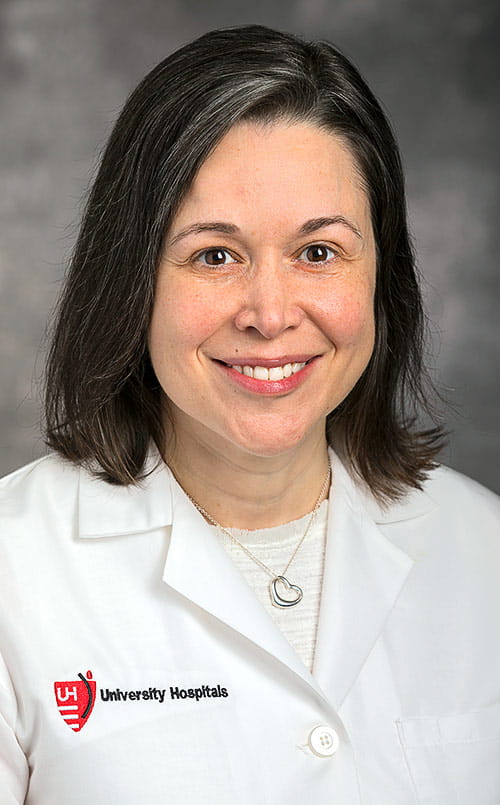
Elisha Jett
Administrative Director
General and Preventive Cardiology
- Saneka Chakravarty, MD
- Haitham Khraishah, MD
- Kyia Mountain, CNP
- Chad Raymond, DO
- Lori Rusterholtz, MD
- Ellen Sabik, MD
- Claire Sullivan, MD
Cardio-Obstetrics
Cardiac Electrophysiology
Cardiac Surgery
Heart Failure Cardiology
Internal Medicine, Cardiovascular Disease Prevention
Interventional Cardiology
- Yulanka Castro Dominguez, MD
- Justin Dunn, MD
- Carl Giolombardo, MD
- Jun Li, MD
- Myttle Mayuga, MD
- Geetha Mohan, MD
- Mehdi Shishehbor, MD, PhD
- Gregory Stefano, MD
- Anene Ukaigwe, MD
Sports Cardiology
Vascular Medicine
Vascular Surgery
Vascular Neurology (Stroke)
Midlife Women’s Health Center (Menopause and Sexual Medicine)
- Sally MacPhedran, MD, MS, Director