


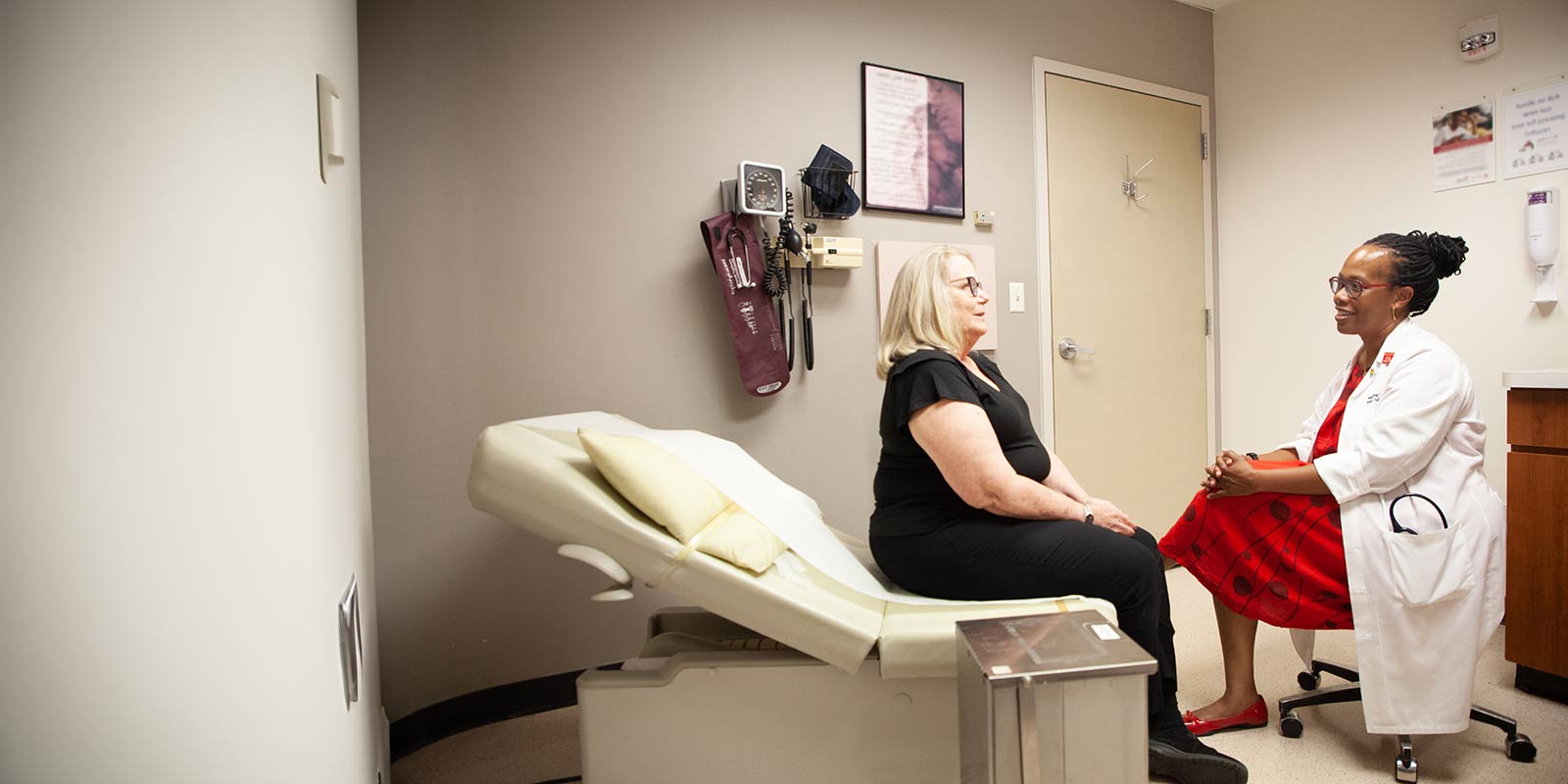
Mid-Life Women’s Health
Every woman’s experience with menopause is unique. There are physical and emotional changes which can affect many different areas of health.
The University Hospitals Midlife Women's Health Center aims to support the whole woman through her midlife transition. We recognize that women want to be heard and be involved in decisions affecting their health and well-being. Our multidisciplinary team of specialists dedicated to midlife women’s health addresses every concern with evidence-based, respectful and compassionate care tailored to each woman’s individual needs and wants.

Make an Appointment with the UH Midlife Women’s Health Center
Call 440-743-2226 to schedule a virtual or in-person appointment with midlife women’s health experts.
Our Services
The physical and mental health needs of a woman as she enters menopause often require experts in a variety of areas. The UH Midlife Women’s Health Center makes it easier to access the care you want, offering both in-person and virtual consultations to review your health concerns and customize appointments with various team specialists.
Depending on your specific symptoms and conditions, treatment offerings may include lifestyle changes, behavioral interventions, prescription medications or a combination.
Our personalized midlife services for women include:
Perimenopause Care
Perimenopause is a gradual process in which a woman stops ovulating regularly. Menstrual cycles may become irregular, maybe skipping months or having periods closer or further apart. This phase can last months to years before the final period. The symptoms can range from PMS-like symptoms such as bloating and breast tenderness to symptoms such as hot flashes, vaginal dryness and mood changes.
Menopause Care
Menopause typically occurs around age 51 and is the result of the ovaries not making estrogen. Post-menopause is the state after the menstrual cycle stops for 12 months. It can cause a wide range of symptoms and affects all women differently. Symptoms can include hot flashes/night sweats, trouble sleeping, mood swings, vaginal dryness, sexual changes including pain, brain fog/memory changes, weight gain, hair and skin changes, headaches.
Heart Health
The risk for heart disease increases after menopause. Elevated blood pressure, cholesterol and triglycerides, diabetes and smoking are additional risk factors. Reducing risks factors and lifestyle interventions are the first step to improving heart health and decreasing the chance of developing heart disease.
Sleep Problems
Quality sleep is critical for all bodily functions as well as healing. Poor sleep quality and sleep disturbances during perimenopause and menopause can include trouble falling and staying asleep. There are many causes including hot flashes and night sweats, poor sleep habits or sleep environments as well as the increased risk of obstructive sleep apnea increases during midlife.
Weight and Nutrition
Weight gain is common during a woman’s midlife years due to factors such as hormone levels, decreased metabolism and loss in muscle mass, increased stress, decrease in quality sleep, changes in eating habits, decreased physical activity due to pain or mobility issues and genetics. Focusing on a healthy diet such as the Mediterranean diet not only has been associated with weight loss but also improves blood pressure, cholesterol and blood sugar.
Vaginal and Bladder Health
About Vaginal and Bladder Health +
Estrogen loss during menopause causes physical changes to the vagina, vulva and bladder which may lead to symptoms such as vaginal dryness, itching, burning, discharge, painful intercourse, urinary frequency, leaking urine, burning sensation with urination and recurrent urinary tract infections. Together, these changes are often referred to as vaginal atrophy or genitourinary syndrome of menopause (GSM).
Mood Changes
In addition to the physical symptoms, women can also experience emotional and mental health-related issues during midlife. Symptoms can include irritability, anxiety, depression, mood swings, fatigue and more.
Stress Management
The menopause transition can be associated with physical, mental, social and emotional stresses. Chronic stress can lead to fatigue, headaches, sleep problems and weight gain, and can also increase the risk of diabetes, stroke and heart attacks.
Brain Health
The decline of estrogen during menopause can also affect brain health, causing issues with memory and concentration (”brain fog”) and increased headaches. Memory changes are often worse in women with menopausal symptoms such as trouble sleeping and mood swings. Keeping your brain active with word games, learning new hobbies and staying connected to friends are ways to improve and maintain brain health.
Sexual Health
Changes in a woman’s sexual health are common during menopause. Issues may include painful sex, low desire, decreased arousal and orgasm sensation and vaginal dryness. Sexual health can also be affected by social stressors, relationship issues, dermatological conditions, cancer treatment, medication side effects, chronic illness (diabetes, incontinence and chronic pain conditions) and mental health issues such as anxiety and depression.
Hair and Skin Health
About Hair and Skin Problems +
Menopause can lead to changes in a woman’s hair and skin. Low estrogen can lead to a loss of collagen and elastin in the skin, which can cause sagging skin and wrinkles. Hair thinning can be the result of nutritional deficiencies, genetics, changes in hormones and age.
Bone Health
The risk of osteoporosis increases after menopause. Osteoporosis is a disease in which bone density and quality are reduced, which can lead to fractures. Women can improve bone health with diet, weight bearing exercise, balance training and maintaining normal levels of vitamin D.
Bowel and Digestive Health
Hormonal shifts during perimenopause and menopause can cause a range of digestive symptoms, including constipation, bloating/gas, indigestion, acid reflux, decreased nutrient absorption, decreased metabolism and diarrhea. It’s also important for women to get regular colonoscopies starting at age 45 to screen for colon cancer.

Featured Blogs
7 Things You Need to Know About Hormone Therapy
How Heart Disease Is Different After Menopause

The Unique Benefits of Strength Training for Women

Living Your Best Life After Menopause

How Women’s Sleep Changes Across the Lifespan

Want More?
Multidisciplinary Team Approach
If you are experiencing any concerning changes, the first step is talking with your primary care or OB/GYN provider. They can assess your risk for a range of conditions and often will be able to provide you with the resources needed to manage your menopause symptoms.
If further evaluation is needed, the UH Midlife Women’s Health Center can help connect you with the specialists you need. These can include:
- Certified Menopause Clinicians
-
Our certified menopause clinicians can provide patients with counseling and education as well as prescription medications – which may include hormone replacement therapy – for hot flashes, night sweats and vaginal complaints related to menopause.
- Weight Management
-
We offer a variety of solutions to help with weight management, including diet and fitness programs, medications, surgical weight loss, and nutrition and integrative health consultations. You may be scheduled with one or more specialists to discuss your individual concerns and goals.
- Integrative Medicine
-
Specialists at UH Connor Whole Health can address health lifestyle habits that reduce the impact of menopause symptoms and reduce related health risks through non-prescription therapies and health coaches. They can also assess nutritional deficits that may be negatively impacting menopause symptoms and provide education on supplements.
- Behavioral Health
-
Our behavioral health specialists can identify barriers, triggers and stressors that negatively impact health during a woman’s midlife years. They can provide you with the tools to creates positive habits that can reduce stress and other unwanted mental health symptoms. They can also provide techniques to help with symptoms such as hot flashes, mood changes, trouble sleeping and weight management and provide memory testing.
- Sleep Medicine
-
A sleep medicine specialist can evaluate and treat all conditions related to sleep disruptions. A sleep study can help your provider identify issues and recommend solutions such as behavioral interventions, medications and medical devices. They can also refer you to other specialists as needed to treat issues that may interfere with sleep.
- Sexual Health
-
Sexual concerns will be evaluated by our team of sex therapists, sexual medicine clinicians and pelvic floor physical therapists, depending on the woman’s concern.
- Memory
-
For women concerned about memory changes or who are at high risk for memory deficits, our memory team will perform an assessment, including if mood changes or sleep deprivation are impacting memory. The team will also provide education and interventions as needed.