


Behavioral Health Research at UH Provides Tools to Improve Quality of Life
October 27, 2025
UH Clinical Update | October 2025
Taking good care of yourself is a skill we all work to master, but it’s especially important when you’re living with a chronic disease like epilepsy, high blood pressure or depression. However, the Behavioral Health Research Group at UH is working to make a practical difference for these patients in their daily lives. Psychiatrists Martha Sajatovic, MD, Willard Brown Chair in Neurological Outcomes Research and Director of the Neurological and Behavioral Outcomes Center, and Molly McVoy, MD, as well as psychologist Jennifer Levin, PhD, are developing, evaluating, and implementing evidence-based programs aimed at improving disease self-management for a variety of conditions.
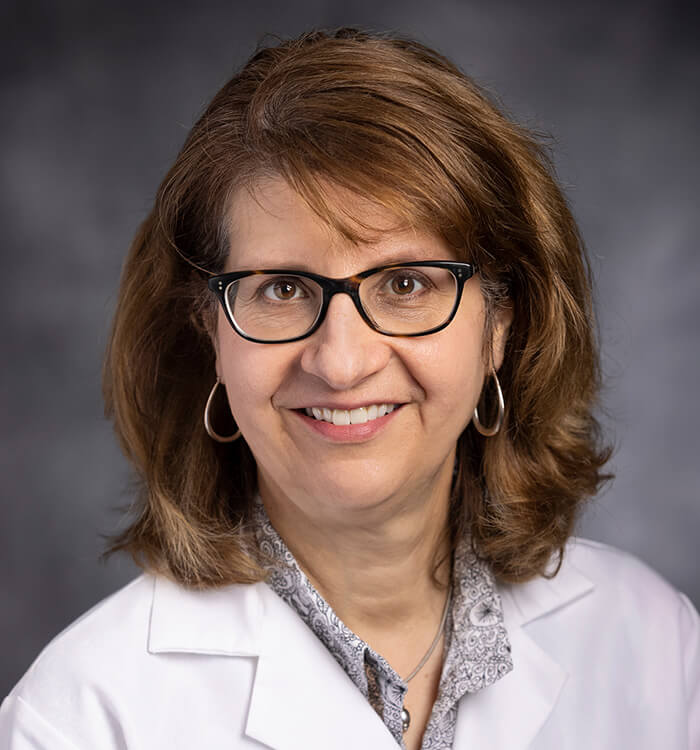 Martha Sajatovic, MD
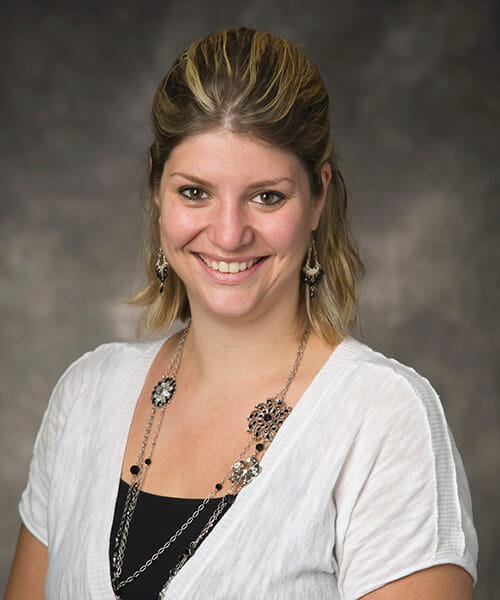 Molly McVoy, MD
 Jennifer Levin, PhD
For example, Dr. Sajatovic and colleagues at UH and Case Western Reserve University have developed a program called SMART, to support people with epilepsy who have experienced health complications, including poorly controlled seizures. SMART features remote self-management training sessions for groups of six to 10 people with epilepsy. They meet by video conferencing for about an hour weekly for eight to 10 weeks.
The sessions are led by a nurse and “peer educator”— a person with epilepsy trained to deliver the detailed curriculum designed to help people learn to better manage and cope with their epilepsy and improve their overall well-being. Participants also get written resource materials to help them continue to practice refining their epilepsy self-management skills.
“Many people who participate in our SMART program have never been in a group with other people with epilepsy and find this a particularly valuable and rewarding part of the program,” Dr. Sajatovic says.
Dr. McVoy, a child psychiatrist, is currently working with Dr. Sajatovic to adapt SMART for a younger audience.
“Right now, we’re modifying it and piloting it in people with cluster seizures, which tend to be younger adults, and then working to modify the program for adolescents,” Dr. McVoy says. “With these chronic conditions, group participants always say, ‘We wish we had this earlier.’ So that’s our battle cry, to get this to younger people.”
In fact, Dr. McVoy just received funding through the newly established Health Services Research Center Career Advancement Grant program to explore self-management for people with epilepsy and a history of negative health events for adolescents and young Adults (SMART-AYA), starting in December 2025.
At the same time, Dr. Levin is developing and testing a remotely delivered self-management program called TEAM-Red, designed for Black women with depression who are at risk for developing high blood pressure. Like the SMART program, TEAM-Red is co-led by a nurse and peer educator, a model which reduces stigma, normalizes challenges and provides social support.
The early results? “TEAM-Red demonstrated significant clinical benefits with a 17-fold higher odds of depression remission and meaningful improvements in mental health quality of life, diet quality, and perceived stress compared to controls,” Dr. Levin says.
Drs. Levin and Sajatovic are also evaluating two behavioral interventions to improve medication- taking behavior in adults with serious mood disorders. In a large study supported by the National Institute of Mental Health, co-principal investigators Dr. Sajatovic and Dr. Levin are looking at both effectiveness and implementation of a remotely delivered 1:1 intervention targeting barriers to adherence in adults with bipolar disorder. In a second study, supported by the National Heart Lung and Blood Institute, Drs. Levin and Sajatovic are evaluating a remotely delivered adherence enhancement intervention delivered via text messaging for adults with either bipolar disorder or major depressive disorder with uncontrolled hypertension. “When there are effective medications that impact both physical and mental health, we need to find ways to support patients in taking these medications regularly,” says Dr. Levin.
Other Research Avenues
UH psychiatrist Kevin Makino, MD, PhD, is also developing an intervention to promote better outcomes – in this case, around reproductive health care for adolescents with mental health conditions.
“Adolescents with mental health conditions often miss out on important medical care, especially services pertaining to the prevention of sexually transmitted infections or unintended pregnancies,” he says. “Visits with child and adolescent psychiatrists provide a unique opportunity to address these needs. Our project, CARE-REP: Comprehensive Adolescent Reproductive Health Enhancement in Psychiatry, will involve providers, teens and caregivers to identify which reproductive health services are best suited for psychiatric clinics and how to offer them, laying the groundwork for the development of practical tools to improve adolescent health.”
The use and effectiveness of interventional psychiatry techniques is also a major focus of research in the UH Behavioral Health Institute and Department of Psychiatry. UH psychiatrist Keming Gao, MD, was senior author on a recent study examining racial-ethnic disparities in ketamine and esketamine therapy for major depressive disorder. The study of nearly 900,000 patients over almost five years had sobering findings.
“Significant racial-ethnic disparities exist in the utilization of ketamine and esketamine therapies for major depressive disorder, particularly affecting Black patients,” Dr. Gao says.
And beyond her work on disease self-management, Dr. McVoy is also working with colleagues at Massachusetts General Hospital on EEG biomarkers that she has identified that can differentiate depressed kids from healthy kids. These biomarkers can also help identify which patients will respond to standard therapy and which may need a more intensive approach.
“The kids who get better are different at baseline than the kids that don't,” she says. “Right now, we have clinical evaluations, which are helpful, but also messy. If we had markers that could help distinguish the most at-risk kids, it could help us aim the limited resources that we have towards those kids that are most at-risk and follow them the most closely.”
In addition, Dr. McVoy will soon launch workshops for teachers in five Ohio school districts, including Mayfield Public Schools, the Cleveland Public Schools, and Willoughby Eastlake, to support the role teachers play in student mental health. Funded by the State of Ohio, these workshops will cover anxiety, talking to parents, technology, who’s at risk and youth communication challenges.
“Teachers are asked already to do so much, and then there's not a lot to support them as they're trying to do their best within their classrooms,” Dr. McVoy says. “There's really been a nice kismet around what the teachers want and need, and around an area of expertise that where we have a lot to offer.”