


The Hope of Type 2 Diabetes Remission
November 16, 2025
Innovations in Diabetes & Metabolic Care | Fall 2025
Diabetes-related expenses account for one in every four dollars of U.S. health care spending, and the economic burden continues to grow worldwide. According to the International Diabetes Federation, global medical costs of diabetes are projected to reach $1.03 trillion by 2030 and surpass $1.05 trillion by 2045.
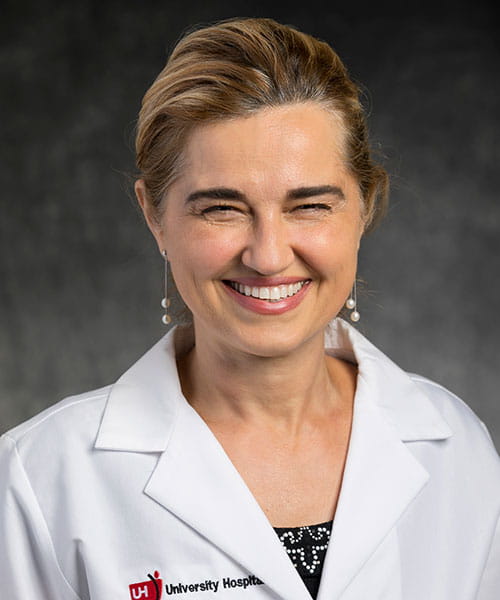 Betul Hatipoglu, MD
“As endocrinologists, it is crucial that we raise awareness of the growing population health crisis surrounding type 2 diabetes [T2D], including the need to shift toward care models that prioritize early diagnosis, prevention and remission,” says Betul Hatipoglu, MD, Director of the University Hospitals Diabetes & Metabolic Care Center, the Mary B. Lee Chair in Adult Endocrinology at University Hospitals.
“In addition to direct costs of medical care, long-term complications of diabetes place a significant burden on world economies due to loss of human productivity,” says Dr. Hatipoglu, who is also the editor of Diabetes Remission, a 2023 publication of the Endocrinology and Metabolism Clinics of North America.
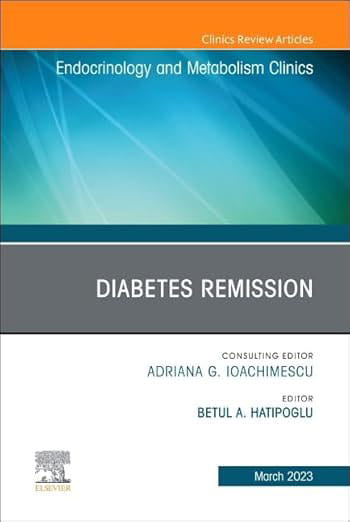
Diabetes remission is a relatively new concept. In 2021, the American Diabetes Association (ADA) joined with international experts to establish a standardized diagnostic criterion for T2D remission:
Achieving an HbA1c of less than 6.5 percent (48 mmol/mol) measured for at least three months following cessation of glucose-lowering pharmacotherapy.
Since 2021, diabetes medications such as glucagon-like peptide-1 receptor agonists (GLP-1 RAs) have received approval for additional uses, including cardiovascular and renal risk reduction, weight management, sleep apnea and other conditions.
“As our understanding of remission advances, it is important to recognize that some patients may need to continue ‘diabetes’ medications for other indications,” Dr. Hatipoglu says. “I think that, moving forward, we need to recognize our patients’ achievements and acknowledge their improved glycemic health without asking them to stop medications prescribed for reasons beyond their diabetes.”
T2D Remission Requires Targeted Interventions
T2D remission is rare without targeted medical interventions and support. A seven-year study of more than 120,000 U.S. adults found spontaneous remission rates of just 1.6 percent.
Factors that help induce remission include:
- Achieving a durable target HbA1c earlier in the disease process.
- Significant weight loss achieved through intensive lifestyle modification or bariatric surgery. A reduction of 10 percent or more in body weight has been linked to increased remission, decreased cardiovascular risk and lower mortality.
- Lasting lifestyle changes, as demonstrated by:
- the Look AHEAD trial (U.S.: 7-12 percent remission rate)
- DiRECT trial (Great Britain and Australia: 46 and 55 percent remission rate)
- DIADEM-I trial (Qatar: 61 percent remission rate)
University Hospitals is Reframing Diabetes Care Models
According to a 2024 article in Diabetes, patients with diabetes who receive regular care from an endocrinologist experience fewer complications and require fewer health care resources than those treated in other settings. However, there are fewer than 6,500 adult endocrinologists in the U.S. and an estimated 34.1 million adults with diabetes—an impossible ratio of 46,000:1.
“In order to increase capacity while still offering patient-centric care, we must embrace inclusive, team-based diabetes treatment models and collaborate with primary care practitioners and other specialists,” Dr. Hatipoglu says.
The UH Diabetes & Metabolic Care Center employs a multidisciplinary approach that optimizes diabetes care for patients across Northeast Ohio. In the coming year, Dr. Hatipoglu and her team plan to launch a novel diabetes remission initiative in partnership with UH Connor Whole Health, the health system’s integrative medicine program.
“Our hope is to shift the way patients perceive their illness and help them realize their potential for recovery,” Dr. Hatipoglu says. “Currently, there is almost no awareness that diabetes remission is a real possibility, and I am very excited that we will have the experts and coaches to offer this unique program to our patients.”
For more information, contact Betul Hatipoglu, MD, at Betul.Hatipoglu@UHhospitals.org.
Contributing Expert:
Betul Hatipoglu, MD
Director
University Hospitals Diabetes & Metabolic Care Center
Vice Chair, UH System Clinical Affairs
Mary B. Lee Chair in Adult Endocrinology
University Hospitals Cleveland Medical Center
Professor
Case Western Reserve University School of Medicine